Should You Paint Your House Before Selling?
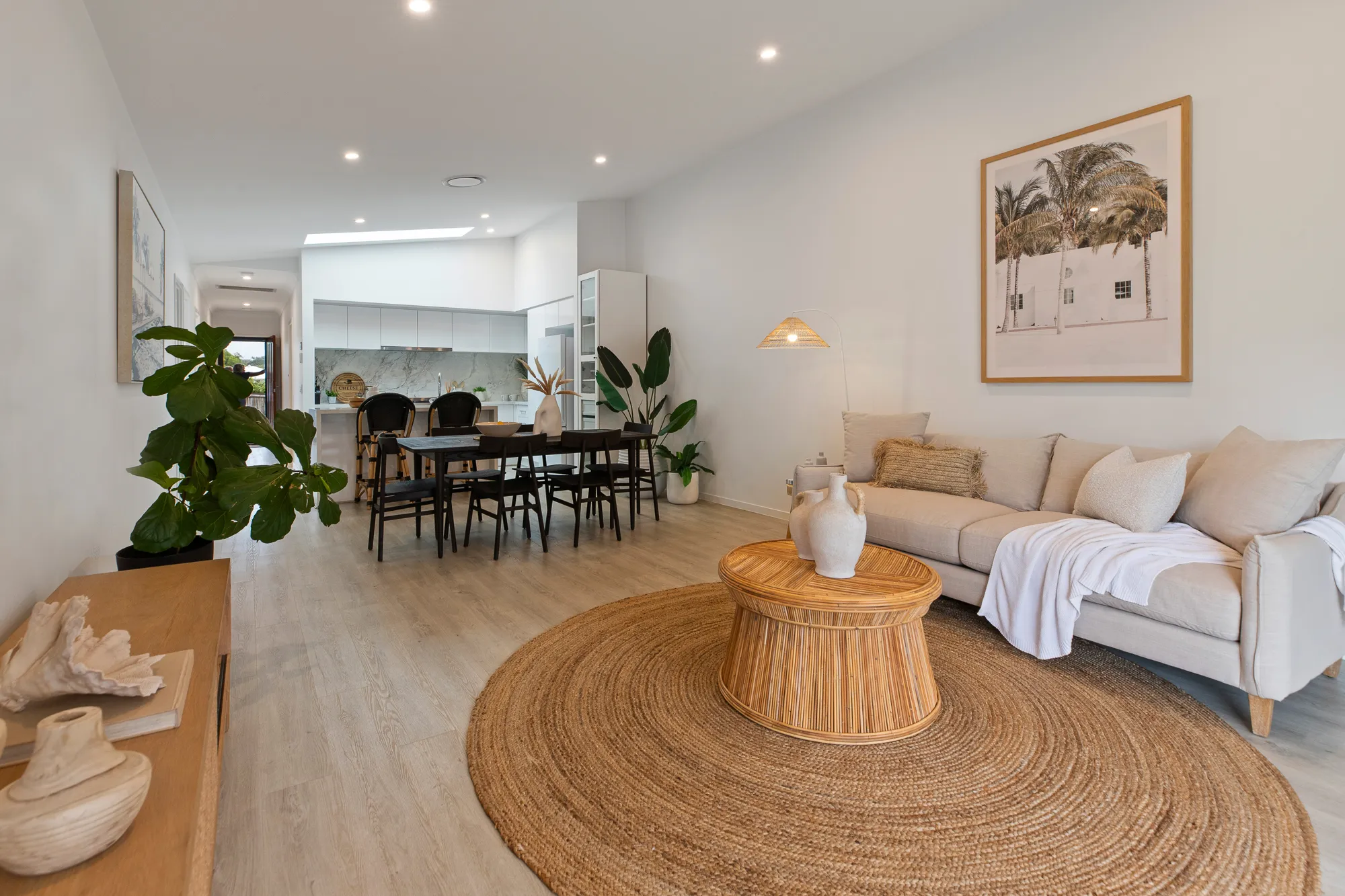
When you’re getting ready to sell, it’s natural to look around and wonder whether the paint needs attention. Do you repaint the whole house, freshen up a few rooms, or leave it alone and put the money elsewhere?
The answer depends on the condition of the paint you already have, not on the fact that the house is going on the market. Some homes benefit from a proper repaint. Others only need a few areas tidied up, and some are fine as they are.
Quick answer: should you paint before selling?
A repaint is usually worth considering when the condition of the paint is visibly hurting how the property presents. Think heavily marked walls, patchy repairs, peeling exterior paint or tired doors and trims.
If the paint is already clean, consistent and in good condition, repainting everything may achieve very little from a presentation point of view. In many cases a targeted repaint of the most visible or worn areas makes more sense than repainting every surface.
When painting before selling can make sense
Painting is worth a closer look when you notice things like:
- walls with heavy marks, scuffs or scrapes that don’t clean up
- obvious patched areas where holes have been filled but never painted properly
- peeling, flaking or failed paint, inside or out
- rooms where the paint looks noticeably uneven or blotchy
- strong or very personal colours, where you’d prefer a more consistent look through the house
- doors, frames and skirtings that are chipped, yellowed or grubby
- exterior areas that look neglected, such as a weathered front entry or fascia
- previous repairs that left unfinished or mismatched paint
None of these automatically affects what a home is worth. They’re simply the areas that tend to stand out when you walk through with fresh eyes.
When you may not need to repaint
Painting isn’t always the right call. You may not need to repaint much if:
- the paint is fairly recent and still presents well
- there are only a few isolated marks that can be cleaned, or touched up properly
- only one or two rooms need attention
- the exterior coating is sound and looks consistent
- a proposed scope would repaint large areas that are already in good condition
Painting surfaces that already present well just before a sale can add cost and time without making much difference to how the home looks.
A word on touch-ups: small touch-ups only work if the colour, product and sheen match the existing paint. A mismatched touch-up can stand out more than the original mark, so if you’re unsure what was used, it’s worth getting advice before reaching for a tin.
If you’re repainting before sale and deciding on finishes, see our guide to the best paint finish for interior walls, ceilings and trim for the practical differences between common interior sheen choices.
Full repaint or targeted repaint?
This is often the most important decision. The options usually look something like this:
- Full interior repaint: walls, ceilings, doors and trims throughout.
- Selected rooms: usually the most visible or most worn spaces.
- Walls only: where ceilings and trims are still in good shape.
- Walls and ceilings: where ceilings are marked or discoloured too.
- Doors, frames and skirtings: a trim-only refresh can lift rooms where the walls are fine.
- Targeted exterior elevations: for example, the sides that face the street or cop the most weather.
- Front entry and façade: the areas people see first.
One thing to keep in mind with partial repaints: fresh paint beside older, weathered paint can make differences in colour or sheen more obvious. That’s especially true outside, and on large walls where the new section ends mid-wall. A painter should assess whether a partial repaint will blend acceptably, or whether it makes more sense to take a wall or room to a natural break.
Which interior areas should you look at first?
Rather than repainting everything, it usually makes sense to start with the spaces people move through and spend time in:
- the entry and front hallway
- main living areas
- painted walls in the kitchen and dining area
- hallways, which tend to collect scuffs
- bedrooms that are heavily marked
- doors, frames and skirtings throughout
- ceilings, but only where they actually need it, such as stains or visible patches
- any obvious repaired areas that were never finished
One important point: if there’s a water stain on a ceiling or wall, find out why before painting over it. An active leak or ongoing moisture problem needs to be fixed first, otherwise the stain is likely to come back. Our interior painting page covers what an interior repaint involves.
What about the exterior?
Outside, the areas worth looking at are usually:
- the front entry and front door, if the coating is worn
- the street-facing façade
- peeling, flaking or failed paint
- weathered or bare timber
- eaves and fascias where they’ve deteriorated
- walls that look visibly patchy or faded
- obvious maintenance issues, such as rust stains or cracked caulking
You don’t necessarily need a complete exterior repaint. Sometimes attention to the front of the house and any failing areas is the sensible scope. Other times the exterior is due for a full repaint regardless of the sale. More on our exterior painting service.
Should you choose neutral colours before selling?
Lighter, broadly usable colours can create a more consistent background and can be easier to style with furniture and photos. That’s why many sellers choose them when repainting.
That doesn’t mean neutral colours guarantee more interest or a better price. And repainting a home that’s in sound condition purely because the colours aren’t currently fashionable may not always be worthwhile. Condition and consistency usually matter more than whether a colour is on trend.
Repairs should come before cosmetic painting
Paint covers surfaces. It doesn’t fix what’s underneath. Before painting, these need to be dealt with properly:
- active leaks and moisture problems
- damaged or crumbling plaster
- rotting timber
- failed sealants and gaps, where relevant
- significant defects in the surface being painted
Painting over these to tidy them up for a sale usually just delays the problem, and it can come back quickly.
If something unexpected turns up once work starts, our approach is to show you what we’ve found, explain what needs doing, price it where required and get your approval before any additional work goes ahead.
Should painting be finished before real estate photography?
If you’re painting specifically to improve how the home presents for sale, it generally makes sense to have the agreed work finished and the house cleaned up before listing photos are taken, where the timetable allows.
How soon a room can be used, cleaned and styled depends on the actual product and conditions, so there’s no single drying or curing time to plan around. Allow enough time that painters, cleaners, stylists and the photographer aren’t all competing for the same space on the same day.
Is it easier to paint a vacant house?
Often, yes. Access is simpler when furniture and belongings are out of the way, and rooms can be worked through without handing them back one at a time. But occupied homes can still be painted, and you don’t need to empty the house unless the specific scope requires it. Our guide on how to prepare your house for painting covers what to organise.
How long before listing should you organise painting?
There’s no universal number of weeks. It depends on the scope, the preparation involved, weather for exterior work, access and painter availability.
If you have a firm photography, listing, auction, settlement or move date, mention it when you get the quote so the work can be planned around it. Exterior work can be affected by rain, so build in some flexibility. Our guide on how long it takes to paint a house gives guide working-day ranges for different scopes.
How much should you spend painting before selling?
Start with what actually needs painting, then weigh that scope against your overall sale-preparation budget. A targeted scope may be more appropriate than repainting every surface, particularly if much of the house already presents well. For guide price ranges, see how much it costs to paint a house on the Gold Coast.
Should you repaint if the paint is simply old?
Condition matters more than age. If the paint is sound, clean and consistent, being a few years old isn’t a reason to repaint just because you’re selling. If it’s chalking, peeling or worn through, that’s a different story. Our guide on how often you should paint your house covers the signs to look for.
A practical pre-sale painting checklist
- Walk through the property in daylight.
- Note obvious marks, patches and failed paint.
- Check doors, trims and skirtings as well as walls.
- Look at the entry and the front of the house from the street.
- Identify any repairs that need doing first.
- Decide whether a full repaint or targeted work makes more sense.
- Settle colours before the start date.
- Tell the painter about photography or listing deadlines.
- Coordinate painting with cleaning and styling.
- Allow some contingency for weather if exterior work is involved.
FAQs
Is it worth painting a house before selling?
It can be, when the existing paint is visibly tired, marked, patchy or failing. If the paint already presents well, repainting may add cost without making much difference.
Do I need to paint the whole house before selling?
Not necessarily. Selected rooms, walls only, trims, or the front of the house may be enough, depending on condition.
What rooms should I paint before selling?
Usually the areas that are most visible or most worn: the entry, main living areas, hallways and any heavily marked rooms. Doors and trims are worth checking too.
Should I paint over strong colours before selling?
It can help create a more consistent look, but it isn’t automatically necessary. It’s worth weighing against the condition of the paint and your budget.
Should I repaint the exterior before selling?
Only if it needs it. Peeling paint, weathered timber or a tired front entry are worth addressing, but a sound, consistent exterior may not need a full repaint.
Should painting be done before listing photos?
Where the timetable allows, yes. Having the agreed work finished and the house cleaned before photos avoids working around painters on the day.
Can you paint a house while we are still living in it?
Yes. Occupied homes can be painted, often in stages. You’ll need to organise some access and belongings, but you don’t usually need to move out.
How long before selling should I book painters?
It depends on the scope and the painter’s availability. Get a quote early and mention any listing, auction or settlement dates so the work can be planned around them.
Should I repair cracks and damage before painting?
Yes. Minor filling is normally part of preparation, but leaks, moisture problems and larger damage need to be fixed first, or they’re likely to show through again.
Is it worth painting doors and trims before selling?
Often, yes. Chipped or grubby doors and skirtings can make a room look tired even when the walls are fine, and a trim refresh is a smaller job than a full repaint.
Should I repaint if the existing paint is still in good condition?
Not usually. If it’s clean, sound and consistent, repainting it just because you’re selling may achieve very little.
Getting your home ready to sell?
If you’re preparing a Gold Coast or Tweed Coast property for sale, we can look at the condition of the existing paint and help work out whether the sensible scope is a full repaint or attention to selected areas. Send us some photos and details through our quote form.