How to Prepare Your House for Painting
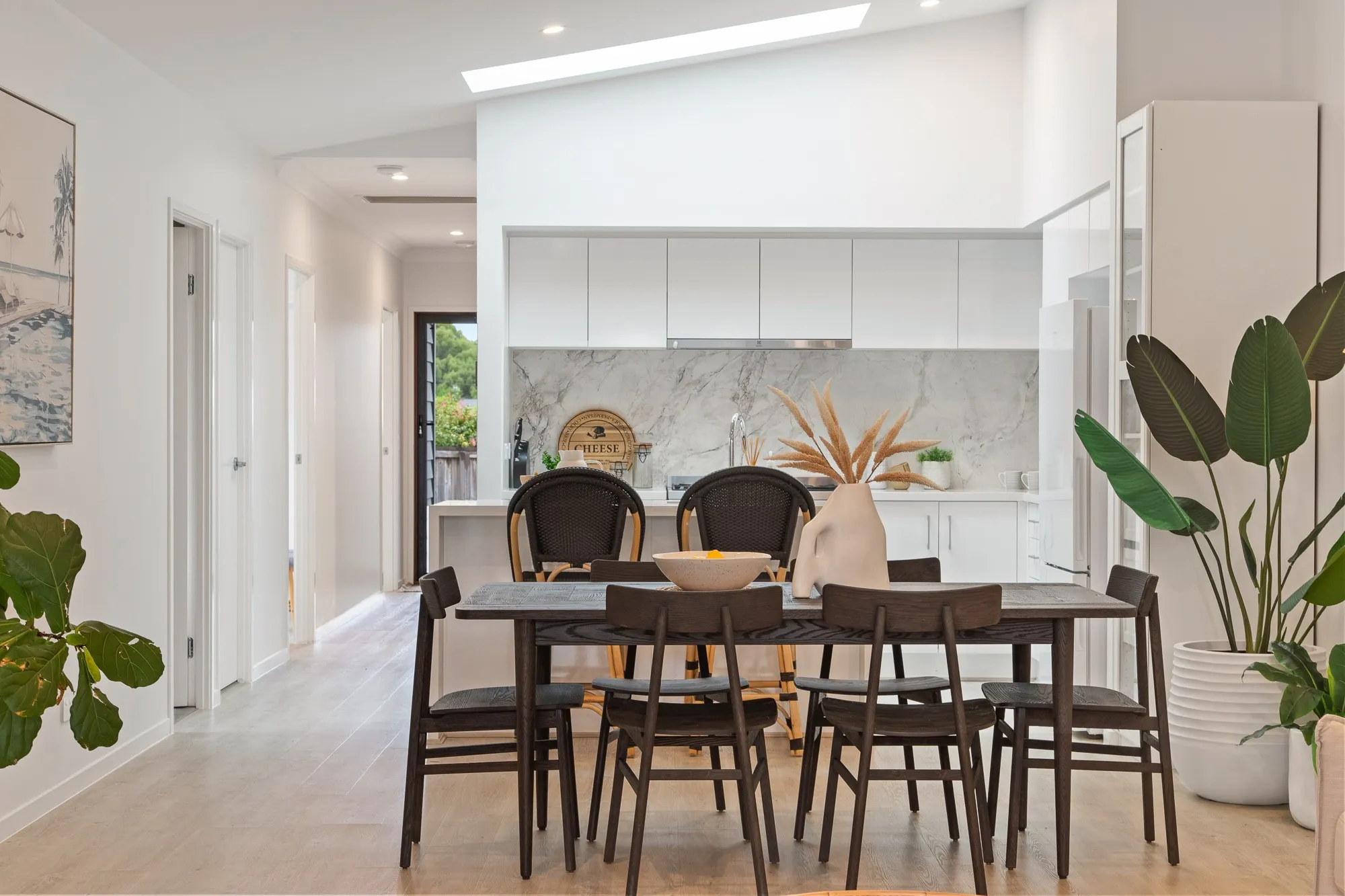
If you’ve booked a painter, preparing the house usually means clearing access and organising a few practical things. It doesn’t mean sanding, filling or washing every wall yourself. This guide is about getting your home ready for a painting contractor to arrive, not DIY surface preparation.
Homeowners often ask us how much they need to do before we start. Unless it’s been specifically agreed, you generally don’t need to prepare the surfaces yourself. Your part is mostly about access: belongings, furniture, pictures, pets, gates, and telling us about problem areas you already know about. Sanding, filling, scraping, caulking, masking and priming are dealt with according to the painting quote.
Quick answer: what should I do before painters arrive?
| Homeowner normally organises | Painter normally handles as part of the agreed scope |
|---|---|
| Clearing small, fragile and valuable items | Protecting floors, fixtures and surrounding surfaces in the work area |
| Furniture access, as agreed beforehand | Masking |
| Removing valuable artwork and personal items | Cleaning and preparing paint surfaces where required and included |
| Arrangements for pets and children | Scraping and sanding failed coatings |
| Access to rooms, gates and the property, including exterior access where practical | Filling and caulking where included in the quote |
| Final colour decisions | Primers and sealers where required |
| Pointing out leaks, damage and known problem areas | Applying the coating system specified in the quote |
Exact responsibilities depend on the quote and should be confirmed before the start date.
1. Finalise colours before the job starts
Last-minute colour changes slow a job down. Before the start date, confirm which colour goes where: walls, ceilings, trims, doors and any feature walls inside, and body, trims and front door outside. If you want to see samples first, organise them early enough to look at them properly in daylight and in the actual room, rather than deciding the night before.
2. Clear small items and valuables
Painters need to reach walls, skirtings and windows without working around your belongings. Before the job, put away:
- photos, ornaments and small decorative pieces
- electronics and chargers near the work area
- fragile and valuable items
- items on benchtops, shelves and window sills
- toiletries and bits and pieces in bathrooms being painted
It protects your things and saves moving them repeatedly during the job.
3. What should I do with furniture?
You don’t necessarily need to empty the house. What’s needed depends on the room and what was agreed in the quote. Smaller furniture may be best moved out of the room. Larger pieces can sometimes be moved to the centre of the room or repositioned and covered. The aim is workable access to the walls, skirtings, doors and trims being painted.
If there’s anything very heavy, fragile or awkward, such as a piano, a full bookcase or a glass cabinet, tell us beforehand so we can agree what happens with it. Built-in cabinetry stays in place and is protected or masked as needed.
4. Pictures, hooks, TVs, curtains and fittings
Pictures and artwork. Take down valuable artwork and framed pieces from the rooms being painted and store them somewhere safe.
Hooks and wall anchors. Don’t automatically pull out every hook. If you want a hook gone for good, tell us so the hole can be dealt with as part of the agreed preparation. If pictures are going back in the same spots, talk to us about leaving the hooks in place. Removing some wall anchors can leave a bigger repair than simply leaving them where they are.
Wall-mounted TVs. Check beforehand whether the TV and bracket are staying or coming down. If they need to come down, organise that before the job starts.
Curtains and blinds. Whether these need to come down depends on what’s being painted and how they’re mounted. Confirm it with us before the start date.
Light fittings, switch plates and hardware. You don’t need to automatically remove light fittings, switch plates, door handles or other hardware. Whether each item is masked, temporarily removed or left in place depends on the item and the agreed scope. Anything that needs electrical work should be arranged with an appropriately licensed trade rather than assumed to be part of the painting.
5. Should I wash the walls before painters arrive?
Usually, you shouldn’t assume you need to wash every wall yourself. Surfaces do need to be suitably clean and prepared before they’re coated, but who does that cleaning depends on the painting scope.
You can wipe off obvious household grime or clear away dirty or greasy items around the work area. Just avoid washing walls right before the painters arrive, because they need to be dry before they’re coated. Don’t use strong cleaners or sugar soap unless your painter has asked you to. Cleaning residue can cause problems for the new coating if it isn’t properly dealt with.
Some conditions need different preparation and are worth pointing out when you get the quote rather than on the day: heavy grease in kitchens, mould in bathrooms, nicotine staining or anything unusual. That way the right preparation can be allowed for.
6. Tell the painter about repairs, leaks and problem areas
Point out anything you already know about, ideally at the quote stage:
- previous leaks and recurring stains
- bubbling, peeling or cracked surfaces
- rotten timber
- rust
- water damage
- areas that have been patched before
- coating that has failed in the past
Painting doesn’t fix an active leak or a structural problem. A stain from a leaking roof will come back if the leak isn’t fixed first. Repairs outside normal painting preparation may need another trade or a variation to the scope.
If something unexpected turns up once work starts, our approach is to show you what we’ve found, explain what needs doing, price it where required and get your approval before any additional work goes ahead.
7. Preparing for interior painting
Beyond the belongings, furniture and wall items covered above, an interior repaint goes more smoothly when you:
- clear access to doors, trims and skirtings
- decide which rooms need to stay usable, and when
- let us know whether anyone will be living in the house during the job
- make sure we can get into every room that’s included
If the kitchen, a bathroom or another important room needs to stay usable, tell us before work starts so the sequence can be discussed. It isn’t always possible to keep every room available, but occupied homes can often be painted in stages, depending on the job. More on what’s involved on our interior painting page.
8. Preparing for exterior painting
Outside, most of the preparation is about clear, safe access around the house:
- move cars away from immediate work areas where requested
- move outdoor furniture, toys and BBQs where practical
- clear access along the walls being painted
- trim or tie back plants that stop access to walls (there’s no need to remove established landscaping)
- unlock gates or arrange access to side and back areas
- tell us about irrigation or sprinkler systems, and where practical make sure timed sprinklers won’t wet active work areas while painting is underway
- let us know about dogs or other pets in the yard
- point out known leaks, rotten timber, rust or other damage
Access equipment such as scaffolding depends on the job and the quote, so check what’s included if your home is two storeys or has difficult access. See our exterior painting page for more.
9. Pets and children
Keep it simple:
- secure dogs and keep pets out of active work areas
- keep children away from ladders, tools, wet coatings and preparation areas
- tell us about any gates that need to stay closed
10. Access, keys, alarms and parking
Before the start date, sort out:
- how painters will get in, and who has keys if you won’t be home
- alarm arrangements, if any
- where painters can park, including any tight streets or driveway limits
- for apartments and units, loading areas, lifts and visitor parking
Check any body corporate or strata rules around access, parking or permitted working hours before the job starts. For rental properties, make sure tenant access and notice arrangements have been organised before the start date.
11. Do I need to be home?
Not necessarily. Some homeowners are there during the job and others arrange access. What matters is that access has been agreed, we have your contact details, colour decisions have been made, it’s clear which areas aren’t being painted, and you know how any questions or changes will be approved during the job.
12. What not to do before painters arrive
Avoid:
- starting your own patching or sanding right before the job, unless it’s been agreed
- painting over problem areas to tidy them up
- removing fixtures you’re unsure how to safely disconnect
- changing colours at the last minute without telling the painter
- hiding known leaks, mould, peeling or damage
- washing surfaces right before painting if they’ll still be wet when work starts
Day-before checklist
Not every item applies to every job, but it’s a useful final check:
- colours confirmed
- small and valuable items put away
- furniture arrangements agreed
- artwork taken down where needed
- curtain and blind arrangements confirmed
- pets organised
- gates and access sorted
- cars and outdoor furniture moved if needed
- known leaks and damage pointed out
- painter has the right contact details
- any special access or timing requirements confirmed
What should the painter prepare?
Good preparation depends on the surface and what’s been agreed, and can include protecting surrounding areas, washing and cleaning where needed, scraping failed coatings, sanding, filling, caulking, spot priming, sealing, minor surface repairs included in the quote, masking, and choosing a coating system suited to the surface.
If you’re dealing with existing paint and aren’t sure whether it needs sanding, priming or stripping first, see our guide to painting over old paint.
A sound repaint needs very different preparation to badly deteriorated surfaces, and that’s one of the main reasons quotes differ. We explain it in more detail in why house painting quotes are so different. The practical takeaway is that your quote should make clear what preparation is included.
How much time should I allow before painters arrive?
There’s no set number of days. Start organising once the job date is confirmed, because colour decisions, access and repairs are much easier to sort out beforehand than on the morning painters arrive. If you’re planning around a move, tenants, school, work or furniture deliveries, our guide on how long it takes to paint a house can help with the timing.
FAQs
Do I need to move all my furniture before painters arrive?
No. Put away small items and valuables; larger furniture can often be moved to the centre of the room or repositioned, as agreed beforehand.
Should I wash the walls before painters come?
Not usually. Who cleans the surfaces depends on the scope. Don’t use strong cleaners or sugar soap unless your painter asks.
Do I need to remove pictures and wall hooks?
Take down pictures and valuable artwork. Don’t automatically remove every hook. Tell your painter which ones are going for good so the holes can be dealt with.
Should curtains and blinds be removed before painting?
It depends on what’s being painted and how they’re mounted. Confirm with your painter before the start date.
Can I stay in the house while it is being painted?
Usually, yes. Occupied homes can often be painted in stages, so tell your painter which rooms need to stay usable.
What should I do with pets while painters are working?
Keep them secure and out of active work areas, and let your painter know about any gates that need to stay closed.
Who fills holes and cracks before painting?
Normally the painter, as part of the preparation in the quote. Check what filling and repairs are included.
When can I put furniture back against freshly painted walls?
It depends on the coating and conditions. Follow your painter’s guidance before pushing furniture back against freshly painted surfaces.
Ready for your painting project?
If you’re planning an interior or exterior repaint, we can talk through the areas being painted, the preparation required and anything you need to organise before the start date. Send us some photos and details through our quote form and we can take it from there.