How Often Should You Paint Your House?
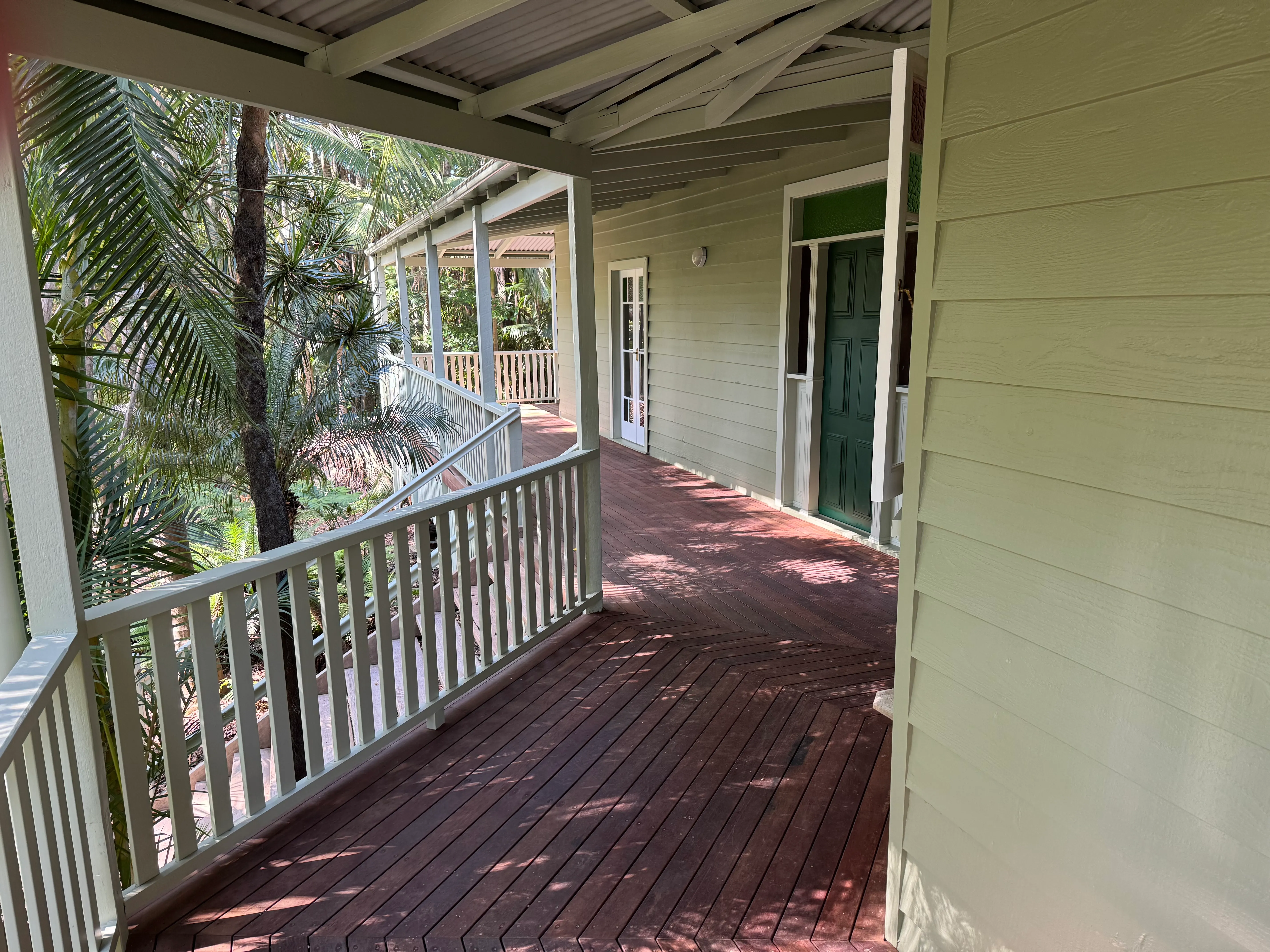
Paint doesn’t come with an expiry date. Most homes give you warning signs first: colour faded on the sunny side, a powdery residue on your hand when you touch a wall, hairline cracks, or paint lifting on a fascia or window sill.
So the better question isn’t only “how many years has it been?” but “what condition is the paint in?” Age is a prompt to check. Condition tells you whether it actually needs doing.
Quick answer
As a rough guide, many areas of a house fall somewhere in a 5–10 year window. Exposed timber, trims and front doors often need attention sooner, while ceilings and sheltered areas can go longer. The table below breaks that down by area.
These are practical inspection and repaint guides for a properly prepared residential repaint, not manufacturer guarantees or fixed coating lifespans.
| Area | Guide repaint window |
|---|---|
| Hallways, living areas and kids’ rooms | 5–7 years, with touch-ups as needed |
| Bedrooms and low-traffic rooms | 7–10 years |
| Kitchens | 5–7 years |
| Bathrooms and laundries | 5–7 years, or sooner if the coating is deteriorating |
| Ceilings in dry areas | 8–12+ years, often repainted with the room |
| Exterior render and masonry | 7–10 years |
| Exterior weatherboard and painted timber | 5–8 years |
| Fascias, barge boards and exposed timber trims | 4–7 years |
| Sheltered eaves | 7–10+ years, often repainted with the exterior |
| Exposed front doors | 3–6 years |
| Highly exposed coastal, north- or west-facing walls | Inspect yearly; they may need attention earlier than sheltered elevations |
Condition always overrides age. Some well-prepared, well-protected surfaces will last longer than these windows. Poor preparation last time, heavy exposure or problems with the surface underneath can shorten them. Roofs are a separate topic, covered in our guide to roof resprays.
How often should you paint the inside of a house?
Interior paint isn’t dealing with UV, rain or salt, so most interior repaints are driven by wear and appearance: marks that won’t wash off, fading near big windows, patched holes, moisture, or wanting a different colour.
Living rooms and hallways
These take the most knocks from shoulders, bags, vacuum cleaners, kids and pets, and living areas get the most light. They’re often ready around the 5–7 year mark, with touch-ups in between.
Bedrooms
Bedrooms usually see much less wear, so 7–10 years is common. Kids’ rooms are the exception and tend to sit with the high-traffic areas.
Kitchens
Cooking residue, steam and constant wiping wear even washable finishes, so kitchens often sit around 5–7 years.
Bathrooms and laundries
Humidity is the main issue in wet areas. Bubbling or peeling near showers, ceiling stains or mould that keeps coming back mean the coating is deteriorating, whatever its age. Good ventilation helps paint in wet areas last. Our interior painting page covers what an interior repaint involves.
How often should you paint the outside of a house?
Exterior paint does more than look good. It protects render, timber and metal from sun and water, and once it breaks down, the material underneath starts taking the weather.
How long an exterior coating holds up comes down to:
- how much sun, rain, humidity, wind and salt it cops
- how well the surface was prepared last time
- the coating system used and whether it suited the surface
- which way each wall faces, and how much shade it gets
- the surface itself: render, weatherboard, timber, brick or metal
- how well it’s been maintained, including washing
Regular washing helps remove dirt, grime and contaminants from painted exteriors. Homes exposed to salt spray may need cleaning more often, particularly where salt deposits are building up.
It’s also worth knowing that long manufacturer guarantees against peeling or flaking are not the same thing as a recommended repaint interval, and may exclude issues such as colour fade. More on what an exterior repaint involves on our exterior painting page.
Does Gold Coast weather mean houses need painting more often?
Local conditions play a big part, but they don’t affect every house or every wall the same way.
- UV: strong sun breaks down paint over time. North- and west-facing walls often cop the most severe exposure and tend to fade and chalk first.
- Salt: homes close to the coast collect salt on their surfaces, which can affect coatings, and metal components near the coast are more vulnerable to corrosion.
- Humidity and rain: moisture, summer storms and heavy rain test every gap, joint and bit of bare timber.
- Shade: shaded walls and eaves behave differently. They fade less but can stay damp and grow mould.
The result is that different sides of the same house often age at different rates. A west-facing wall on a home near the beach can need attention well before a sheltered southern side of the same house. Choosing a coating suited to local conditions helps, which we cover in the best exterior paint for the Gold Coast climate.
Signs your exterior paint needs attention
Fading
Fading on its own is mostly cosmetic. The colour has dulled, but the coating may still be protecting the surface. It’s a good prompt to look more closely at the other signs.
Chalking
Run your hand across a sun-exposed wall. A powdery residue means the paint is chalking: the surface of the coating is breaking down. Heavy chalking means the coating is wearing thin and needs proper preparation before repainting.
Peeling or flaking
This is coating failure. The paint has lost its grip on the surface. Painting straight over peeling paint isn’t a proper fix, because the new coat is only as good as the loose layer underneath. Loose paint needs scraping and sanding back to a sound edge first.
Cracking
Fine cracks in the paint film are different to cracks in the render or wall itself. Hairline cracking in the coating is a maintenance issue. Larger or recurring cracks in the surface underneath may be worth getting checked by the right trade before painting over them.
Exposed timber
Bare timber on sills, fascias, barge boards or weatherboard edges is the one to act on. Once timber is exposed to the weather it can start to deteriorate, and repairing it is a much bigger job than repainting.
Failed caulking and gaps
Cracked or shrunken caulking around windows, trims and joins lets water in behind the paint. Fixing gaps before they cause bigger problems is part of normal repaint preparation.
Mould or mildew
Mould on shaded walls and eaves needs the cause and the surface dealt with before repainting, not just a fresh coat over the top. Persistent damp areas are worth looking at closely.
Rust and corrosion
Metal balustrades, fixings, gutters and other components near the coast can corrode. Rust spots need treating and priming properly before they’re painted.
Weatherboard, render and painted brick
Weatherboard and timber
Timber moves with heat and moisture. The weak points are edges, joins, end grain and anywhere paint has worn through to bare wood.
Render and masonry
Render usually holds paint well, but look for chalking, hairline cracks and how well the previous coating was applied. Heavy chalking or peeling on render can trace back to the preparation or the previous coating.
Painted brick
Once brick has been painted, the existing coating’s condition and adhesion decide what’s needed. That doesn’t mean all brick should be painted; unpainted face brick is a different conversation.
What happens if you wait too long to repaint?
Repainting while the coating is still generally sound normally requires less preparation than waiting for widespread peeling, flaking or exposed substrate. Leave it until the paint has failed and the job grows: more scraping and sanding, more priming, possibly timber repairs, and more labour. That’s why keeping on top of maintenance is one of the ways to keep a repaint affordable, as we explain in our guide to what it costs to paint a house on the Gold Coast.
Should I wait until paint starts peeling?
No. Peeling means the coating has already failed in that area. That doesn’t mean repainting the moment the colour softens, just not waiting until paint is lifting and timber is showing.
Can I repaint only the worst sides?
Sometimes it’s practical to repaint only the elevations that have deteriorated first. For that to work, the existing paint on the other elevations must still be sound. The colour and sheen may not match perfectly either, because the older paint has weathered. A painter should assess whether a partial exterior repaint makes sense for your house, as it isn’t always the right call.
Can good preparation make paint last longer?
Yes. Product quality matters, but preparation and choosing the right system matter just as much. A long-lasting repaint usually comes down to:
- washing so the coating goes onto a clean surface
- removing failed or loose paint
- sanding and filling
- using the right primers and sealers for the surface
- choosing a coating suited to the surface and its exposure
- applying the coats the system calls for
- painting in suitable conditions
Does expensive paint mean you can wait longer between repaints?
A higher-quality coating can offer better durability, but it can’t make up for poor preparation, the wrong product for the surface, harsh exposure or poor application.
Does colour affect how often a house needs repainting?
Dark and strong colours can show fading more noticeably, and some darker exterior colours can run hotter in direct sun. Modern coating technology can reduce this effect, so colour alone does not determine repaint timing. In practice, a faded colour often makes a house look ready for a repaint before the coating has stopped protecting it.
Should I repaint before selling?
It can make sense when walls are marked, patchy, heavily coloured or clearly overdue for maintenance. But repainting everything just because you’re selling isn’t automatically necessary.
For a fuller breakdown of what is worth doing and what may be unnecessary, see our guide on whether you should paint your house before selling.
How to check your own house
Once a year, walk around the outside and look for:
- faded or chalky walls, especially on the north and west sides
- cracking, bubbling or peeling paint
- bare timber on sills, fascias, barge boards and weatherboard edges
- gaps or cracked caulking around windows and trims
- rust on metal fixings, balustrades and gutters
- mould on shaded walls or eaves
- areas that always seem damp
- eaves, fascias and trims generally
Inside, check wet areas for bubbling, staining or recurring mould, and note high-traffic walls that no longer clean up.
When should you call a painter?
You don’t need to have decided on a full repaint first. A painter can look at adhesion, the coating’s condition, the surface underneath, any repairs and how exposed each side of the house is, so you can work out what needs attention now and what can wait. If you go ahead, our guide on how long it takes to paint a house helps with planning.
FAQs
How often should you repaint a house exterior?
As a guide, render and masonry are often repainted every 7–10 years and weatherboard and painted timber every 5–8 years, with exposed trims and doors needing attention sooner. Condition matters more than age.
How often should interior walls be painted?
Busy areas such as hallways, living rooms and kids’ rooms often every 5–7 years, and bedrooms every 7–10 years. Touch-ups in between can stretch that out.
How long should exterior house paint last?
Exposure, preparation, the surface and the coating system all play a part, so our guide windows are a starting point for inspection rather than a fixed lifespan.
Does living near the beach make paint deteriorate faster?
It can. Salt, wind and strong sun can be harder on exterior coatings and metal components, especially on exposed sides of the house. Sheltered walls on the same house may last much longer.
Does better paint last longer?
It can help, but preparation, the surface, exposure and application matter just as much.
How do I know if exterior paint is failing?
Look for chalking, peeling, flaking, cracking, bare timber, failed caulking, mould and rust. Fading on its own is mostly cosmetic.
Can I repaint only one side of my house?
Sometimes. The rest of the paint needs to be sound, and the new and old paint may not match perfectly. It’s worth getting it assessed first.
Not sure if your paint is due?
If you’re unsure whether the paint is ready for a full repaint or just needs attention in a few areas, we can inspect the condition and talk you through what needs doing now and what may be able to wait. Send us some photos and a rough idea of the areas you’re concerned about through our quote form. We work across the Gold Coast and Tweed Coast.