What Is the Best Time of Year to Paint a House on the Gold Coast?
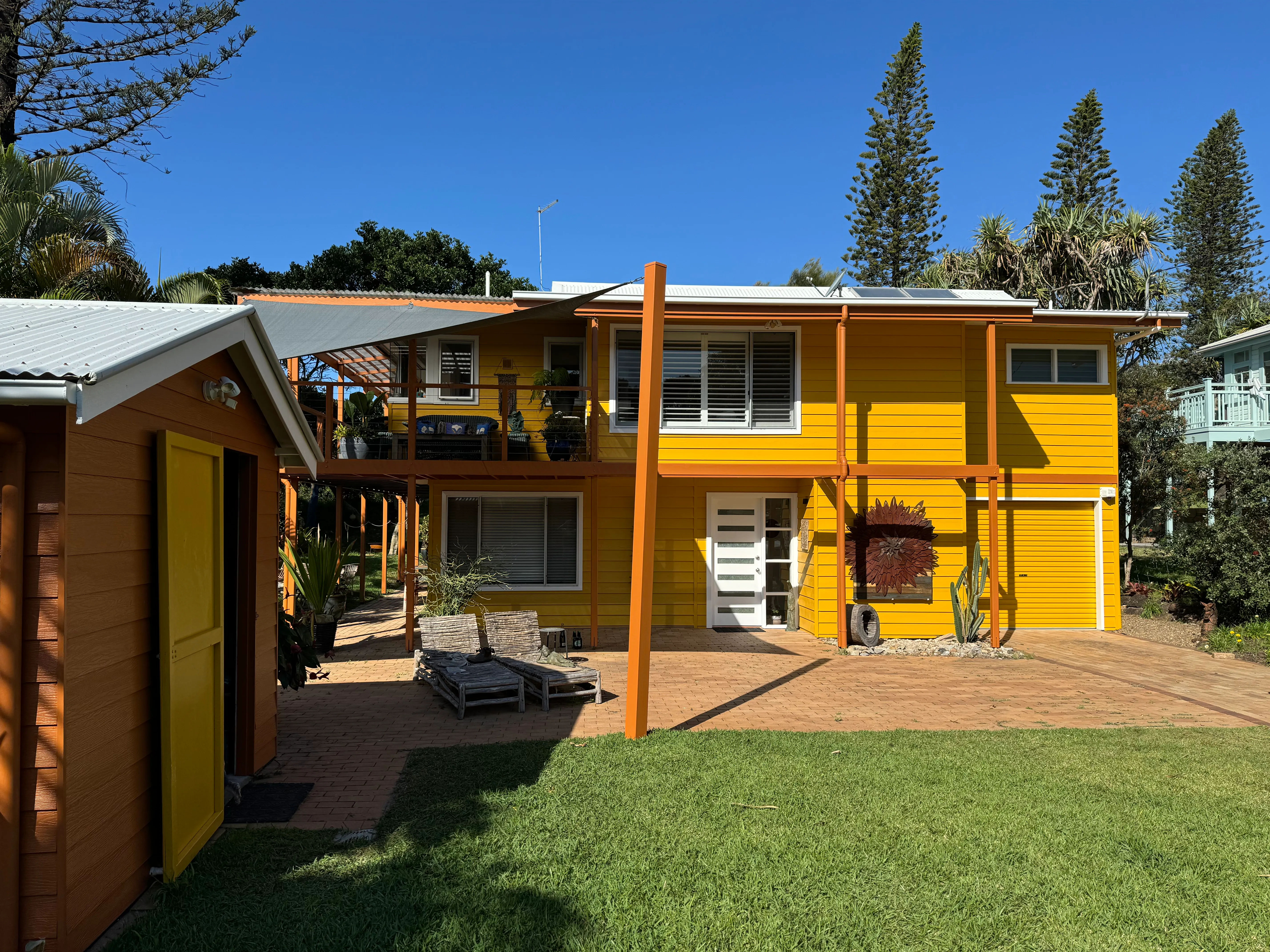
Homeowners often ask whether they should hold off until winter, wait for spring or avoid summer altogether. On the Gold Coast there isn’t a single magic month. A house can be painted through much of the year when the conditions and the coating system suit.
For exterior work, the drier stretch from July to September can be convenient, but a suitable forecast and a dry surface matter more than the name of the season. Interior painting depends far less on the time of year.
Quick answer: what is the best time of year?
There’s no guaranteed best month. Looking at long-term averages, July to September has historically been the driest part of the year at the Bureau of Meteorology’s Gold Coast Seaway station, which can make exterior scheduling easier. The actual forecast and surface conditions on the day still decide whether work goes ahead.
| Period | What it can mean for painting |
|---|---|
| December–March | Warmest months and historically the wettest stretch, with storms that can interrupt exterior work. Strong direct sun can affect how elevations are sequenced. Still workable when conditions suit. |
| April–June | Temperatures easing. Rainfall generally reducing but still meaningful. Workable periods are common. |
| July–September | Historically the lowest average rainfall and fewest rain days. Mild days, with morning dew and shorter daylight hours still to plan around. |
| October–November | Temperatures rising and rainfall trending back up. Changeable weather and stronger sun to manage. |
Why July to September can be useful
The Bureau of Meteorology’s long-term averages for the Gold Coast Seaway station show a clear pattern. July to September average roughly five days a month with at least 1 mm of rain, around half the 10–11 rain days typical of February and March. Average rainfall follows the same shape: September averages about 43 mm, while February averages about 184 mm. You can see the full figures on the BOM Gold Coast Seaway climate statistics page.
Two caveats. The Seaway is a coastal station used here as a local reference point, and conditions can differ across the Gold Coast, in the hinterland, on the Tweed Coast and from one year to the next. Some years are much wetter than average.
Long-term averages can help with planning, but the forecast for the actual job matters far more once the start date approaches.
Can you paint a house on the Gold Coast in summer?
Yes, when conditions are suitable. Summer (December to February) brings more rain and storms, so exterior days are more likely to be interrupted, and afternoon storms can roll in after a clear morning. A sunny start doesn’t guarantee the whole day will suit.
After rain, surfaces need time to dry before they can be coated. On hot days, sun-exposed walls can get much hotter than the air, so painters often plan which side of the house to work on at different times of day. How a particular coating behaves in heat depends on the product, which is why the data sheet matters.
Can you paint a house in winter?
Yes. Gold Coast winters are relatively mild, and July in particular has historically been much drier than the summer months. June is still wetter than July to September on average.
Cool mornings bring dew and surface moisture, so exterior surfaces may not be ready to coat first thing. Painters may start on a particular wall later in the morning once it’s dry enough, and allow enough drying time before evening moisture returns. Shorter days leave less of that window. The manufacturer’s instructions for the coating still apply in winter, just as they do in summer.
What happens if it rains during exterior painting?
Exterior painting usually pauses when surfaces are wet or conditions are unsuitable. Once rain has passed, surfaces need enough time to dry before coating resumes, and there’s no fixed number of hours that suits every surface or product.
If rain is forecast, a painter may decide not to start a coat that won’t have enough time to dry. Rain on a coating that is still drying can affect the finish for some products, so the exact requirements depend on the coating being used.
In practice, rain usually moves the exterior timeline rather than stopping the whole job. Our guide on how long it takes to paint a house explains why exterior schedules need some flexibility.
Does humidity matter?
It can. Humidity can affect how coatings apply and dry, but it’s only one factor. Surface moisture often matters more: a wall that’s damp from dew or rain isn’t ready, whatever the humidity reading says. Shaded or coastal areas can hold moisture longer than hot, exposed walls on the same house. Follow the humidity and drying requirements on the coating’s data sheet. For choosing coatings that suit local conditions, see the best exterior paint for the Gold Coast climate.
What about direct sun and hot walls?
Surface temperature can be quite different from air temperature. North- and west-facing walls can become much hotter in direct sun, while shaded sides stay cooler. Experienced painters sequence elevations to avoid the harshest direct sun where practical. Application limits vary between coatings, so there’s no single maximum temperature that applies to every paint.
Does wind matter?
Sometimes. Wind can blow dust and debris onto wet paint, can affect spray application where it’s used, and can speed up surface drying in some conditions. Depending on how exposed the house is and the product being used, work may be adjusted on windy days.
Is interior painting seasonal?
Much less than exterior painting. Interior work can generally be done year-round because rain isn’t falling on the painted surface. Ventilation and drying still matter, though. Long humid or wet spells can slow drying indoors, especially with windows shut, and recoat times still need to be followed.
For occupied homes, planning which rooms are painted when is usually a bigger consideration than the season. Our guide on how to prepare your house for painting covers what to organise before painters arrive.
Should I wait for the “perfect” month?
Usually there’s no reason to wait many months just because someone says one season is the only time to paint. Exterior work can be planned through much of the year, and the forecast in the weeks before the job matters more than the calendar.
If the existing coating is starting to fail, putting the job off can allow the deterioration to continue. Peeling paint and exposed timber are easier to deal with sooner rather than later. Our guide on how often you should paint your house covers the signs to look for.
How painters plan around Gold Coast weather
Working around the weather is part of normal exterior painting. In practice it involves:
- checking the forecast in the lead-up to the job and each day
- assessing whether surfaces are dry enough to coat
- choosing which elevations or areas to work on, based on sun, shade and wind
- timing coats so they have suitable drying conditions
- rescheduling exterior stages when the weather doesn’t suit
- building some flexibility into exterior timelines from the start
Planning your project
A few practical points for homeowners:
- Book the job for when it suits your household, rather than chasing one “perfect” month.
- Mention any deadlines, such as a move, a sale, tenants or holidays, when you get the quote.
- Understand that exterior start and finish dates may need some weather flexibility.
- Get deteriorating areas looked at early.
- Finalise colours and access arrangements before the start date.
FAQs
What month is best to paint a house on the Gold Coast?
There’s no guaranteed best month. July to September are historically among the drier months at the Gold Coast Seaway weather station, which can make exterior scheduling easier, but actual weather and surface conditions matter more.
Can you paint a house in summer on the Gold Coast?
Yes, when the weather, surface and coating requirements suit. Summer storms mean exterior days are more likely to be interrupted.
Can exterior painting be done in winter?
Yes. Winter can provide good painting windows, but dew, cool surfaces and the product’s requirements still need to be considered.
Can painters paint when it is raining?
Exterior surfaces generally shouldn’t be coated while they’re wet or while conditions fall outside the coating manufacturer’s requirements.
Does the whole painting job stop when it rains?
Not necessarily. Interior work or sheltered areas may sometimes continue, depending on the job, access, the coating system and the conditions.
If rain stops the job, does it cost more?
Weather delays usually affect the timeline rather than the agreed painting scope. If weather exposes additional repairs or preparation that sits outside the quote, that should be discussed and approved before extra work goes ahead.
Can you paint when it is humid?
Sometimes. It depends on how humid it is, the surface, ventilation and the coating’s requirements. There’s no single humidity figure that applies to every paint.
How long after rain can exterior painting start?
There’s no fixed answer. The surface needs to be sufficiently dry and suitable for the coating system being used.
Is spring the best season for house painting?
Not automatically. September has historically been one of the driest months, but October and November trend wetter again, and spring isn’t better than every other time of year.
Does hot weather affect exterior paint?
It can. Air temperature, surface temperature and direct sun can all influence application and drying, depending on the coating.
Is the weather different in the Gold Coast hinterland?
It can be. The Gold Coast Seaway figures are a coastal reference point, and conditions can differ inland and in elevated or hinterland areas.
Should I postpone painting until winter if my exterior paint is peeling?
Not automatically. Have the condition assessed rather than letting deterioration continue just to wait for a particular season.
Planning an exterior repaint?
If you’d like to talk through timing for your own home, send us some photos and details through our quote form. We’ll look at the scope and any deteriorating areas, and plan the exterior painting around suitable conditions. We work across the Gold Coast and Tweed Coast.